.jpg)

In this article, we explain what collective bargaining agreements are, what types exist, and what the procedure is for publishing a collective bargaining agreement.
What is a collective bargaining agreement?
A collective bargaining agreement is an agreement reached between the two parties to an employment relationship, the employee and the employer, setting out the rights and obligations of each party.
This agreement establishes the minimum conditions that both the employee and the employee must observe.
The matters covered by collective bargaining agreements include:
- Financial conditions (salary, bonuses, etc.)
- Working conditions: these cover how the employee performs their work (types of working day, annual leave, rest periods, working hours)
- Disciplinary framework (sanctionable conduct and applicable penalties)
- etc.
The scope for negotiation within a collective bargaining agreement is very broad.
READ OPT-OUT FROM THE collective bargaining agreement HERE
TYPES OF COLLECTIVE BARGAINING AGREEMENTS
- National and state-wide collective bargaining agreements: These apply across the entire country and their content is published in the Spanish Official Gazette (BOE).
- Sector-level agreements: These are based on the economic activity of the companies concerned. They are divided into:
- Regional sector agreements: applicable within autonomous communities, covering a specific business sector.
- Provincial sector agreements: applicable within individual provinces.
- Inter-provincial sector agreements.
- Local or county-level sector agreements.
- company-level collective bargaining agreements, which are divided into:
- National company-level collective bargaining agreements.
- Regional company-level collective bargaining agreements.
- Local company agreements.
- Group-specific collective bargaining agreements within a company, which apply to a specific group of workers within the company.
Within this broad range of collective agreement types, I would like to focus on company-level collective bargaining agreements.
Company-level collective bargaining agreements
Company-level collective bargaining agreements are agreements that apply to one or more companies that are party to the agreement itself. They are therefore not the generic sector-wide agreement, but rather a deal negotiated specifically between the workers and employers of all the companies covered by it.
*Since 2012, following the reform of the Workers' Statute, company-level collective bargaining agreements take precedence over sector-level collective agreements.
Advantages of company-level collective bargaining agreements
Company-level collective bargaining agreements offer many advantages, including:
- A bespoke remuneration scheme can be agreed, linked to company performance, which incentivises employees to work harder and more effectively.
- A tailored disciplinary framework can be established, better suited to the company's particular circumstances.
- Regulation of working hours.
- Professional classification of employees.
- Adaptation of employment contracts where the Workers' Statute refers to the collective bargaining agreement, as is the case with training contracts or apprenticeship contracts.
In summary, company-level collective bargaining agreements are agreed solely between the signing parties, meaning that the company and its employees can draft an agreement that better reflects their respective interests. With fewer parties involved, negotiations are more personal and directly tailored to those concerned.
Publication procedure for a collective bargaining agreement
Once the collective bargaining agreement has been negotiated between the parties, the following documents are required:
- Agreement Signing Minutes
- Negotiating Committee Minutes
- Text of the agreed collective bargaining agreement
Required document formats:
- All documents in PDF format, signed by the parties
- Salary tables included in the agreement, in Excel format
- Signed text of the collective bargaining agreement: two copies, one in Word format and one in PDF format
*Written statement from the negotiating committee delegating authority to a specific individual to carry out the registration formalities.
Registration procedure:
REGCON
The person designated by the negotiating committee to register the collective bargaining agreement must create an account on the REGCON platform using a digital certificate, via the following dropdown menu:
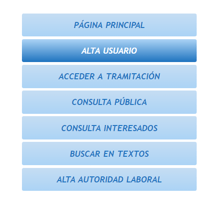
Once the form has been completed and the user account has been successfully created, select Access
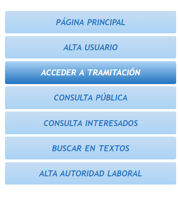
Once inside, you will need to complete the forms and attach the documents referred to at the beginning of this section. After that, the collective bargaining agreement will be officially registered.
LATEST UPDATES TO THE GENERAL CONSTRUCTION COLLECTIVE AGREEMENT
CASE LAW ON COLLECTIVE BARGAINING AGREEMENTS
-
A noteworthy ruling reasoning that a transport or distance allowance is salary in nature when it is paid independently of any actual expenditure incurred: TS 4839/2023
If you need assistance from a specialist in collective bargaining agreements, you will find leading experts at Conesa Legal.