
unfair dismissal for drinking beer at work
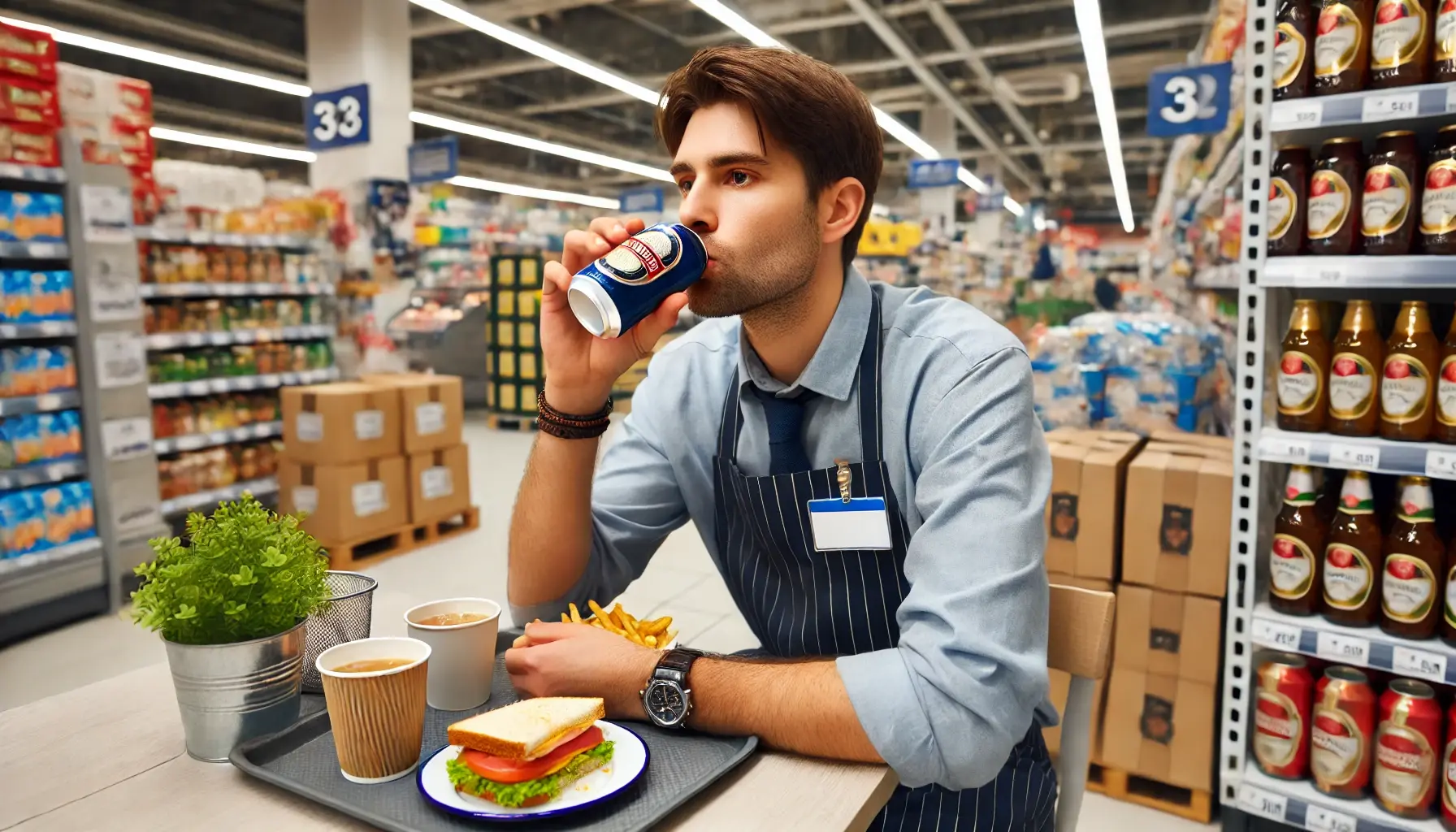
The High Court of Justice of Madrid (STSJ Comunidad de Madrid 594/2024) has upheld the unfair dismissal of a supermarket worker who was dismissed on 29 June 2023 after consuming a 50cl can of beer during her break.

As a result, the dismissal was declared unfair, and the company was ordered either to reinstate the employee or to pay her compensation of €55,245.13.
Although the company appealed the ruling, the Social Chamber upheld the original decision, emphasising the importance of assessing proportionality and the seriousness of the conduct in each individual case.
IS CONSUMING ALCOHOL DURING WORKING HOURS ALWAYS GROUNDS FOR fair dismissal?
The fact that an employee consumes alcohol during working hours or a break does not automatically mean that their dismissal will be considered fair. What truly matters is whether that consumption affects their ability to perform their duties safely and effectively.
Companies may establish internal policies on alcohol consumption, some operating a zero-tolerance policy, while others may take a more permissive approach depending on the sector and the organisational culture.
In roles where safety is a critical factor, such as the operation of heavy machinery, driving vehicles, or providing medical care, alcohol consumption is generally treated as a very serious disciplinary offence, given the risk it poses both to the employee themselves and to third parties.
Article 54(f) of the Workers' Statute provides that 'habitual drunkenness or drug addiction' may constitute grounds for disciplinary dismissal, but only where it has a negative impact on work performance. This means that if an employee consumes alcohol during a break but there is no evidence that it habitually affects their performance or endangers the work activity, the dismissal could be deemed unfair.
This position has been upheld in numerous court decisions, which have established that occasional alcohol consumption, where there is no evidence of harm to the company or to the employee's own safety, does not justify a disciplinary dismissal.
Conclusions:
Whether alcohol consumption during working hours or rest breaks is lawful depends on a number of factors. There is a clear distinction between an employee who has a beer during a break and continues to perform their duties without issue, and one whose conduct affects their productivity or creates a safety risk.
A decisive factor is also whether the company has communicated and agreed a specific policy or a particular contractual arrangement with the employee. In other words, any such agreement may be determinative of the outcome of the ruling.
Before proceeding with dismissal, employers must therefore assess each case individually, considering whether their decision is proportionate, and whether it is more appropriate to impose a disciplinary sanction rather than dismiss, taking into account the seriousness of the conduct and any internal rules that have been agreed.