
MEDIATION SPECIALISTS
Maria Serra, Lawyer and mediator
What is mediation?
Mediation is an alternative method of dispute resolution.
Alternative to what? To court proceedings, which is why mediation is sometimes referred to as an "appropriate dispute resolution" method, or even an "adequate" system for resolving conflicts. In more advanced jurisdictions, such as Australia, mediation is categorised as the primary or first-choice method of dispute resolution.
In any case, it falls under the broader umbrella of conflict management methods.
So what does mediation actually involve?
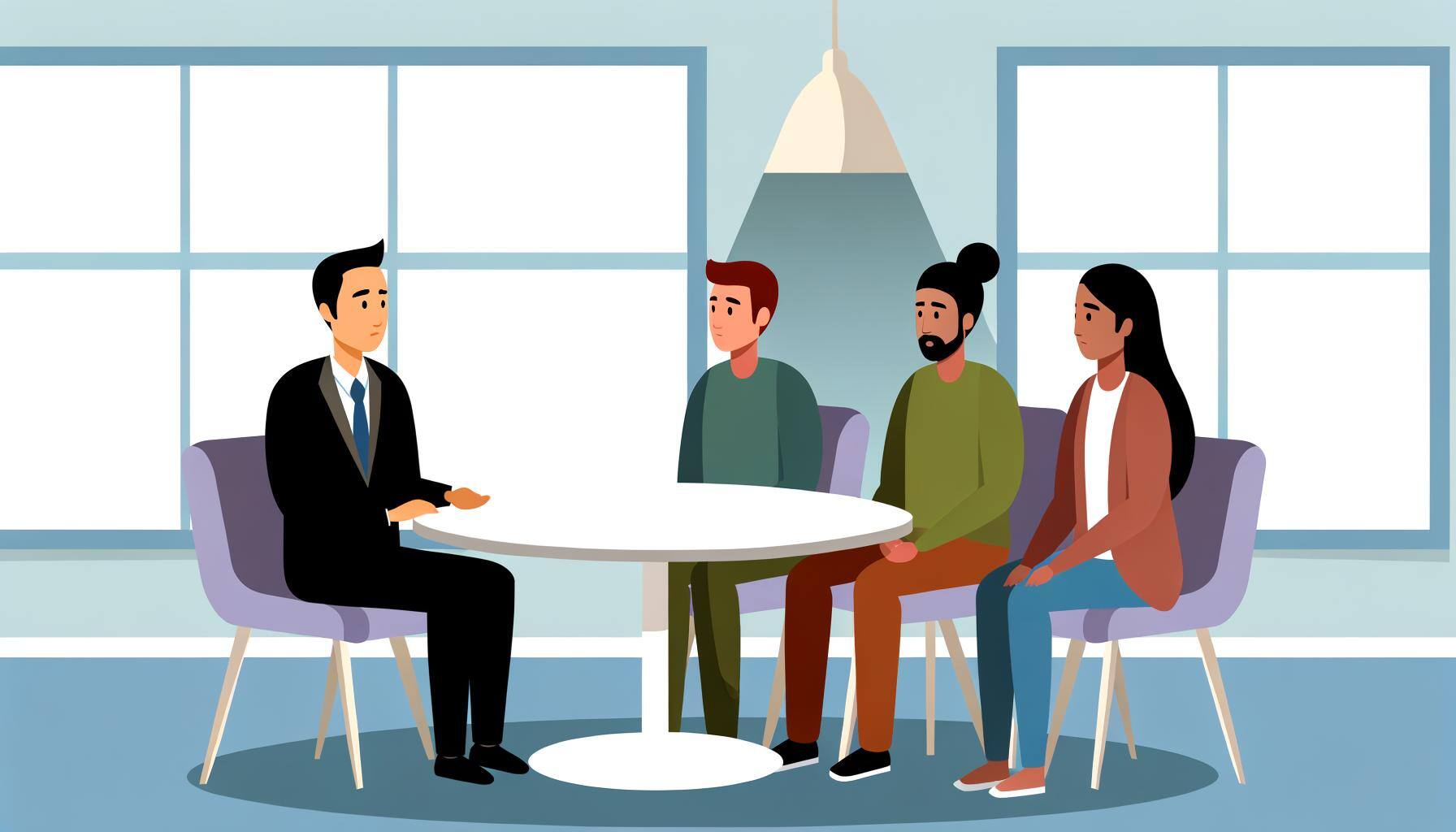
It is a STRUCTURED NEGOTIATION process in which the parties appoint a NEUTRAL third party, the mediator, who guides them through a process of dialogue and communication, and assists them in reaching an agreement that resolves their dispute.
What does the Mediator do?
A specialist Mediator guides the dialogue between the parties, because mediation rests on a very simple idea: that the natural way to reach agreements is through DIALOGUE.
How does a specialist Mediator achieve this?
- By structuring the debate between the parties
- By allowing misunderstandings between them to be clarified
- By interrupting the discussion when it becomes unproductive or goes round in circles and is no longer leading anywhere
- By refining and improving communication between the parties
To do this, the mediator draws on a set of methods and strategies that professional practice has distilled through three main schools of mediation: the circular-narrative approach, the transformative approach, and the Harvard Negotiation School. There are many others, but these are generally considered the traditional ones. The more contemporary approaches would include Insight Mediation and Motivational Interviewing.
As noted, these schools offer different strategies for addressing conflict depending on its nature. For example, if the parties are coming out of a family breakdown in which there is a power imbalance between them, the mediator will use the transformative school's approach to try to strengthen the weaker party and rebalance the relationship; on the other hand, if the mediator observes a victim-oriented narrative from one of the parties, they will draw on circular-narrative strategies to try to eliminate any victimising dynamic and encourage both parties to take shared ownership of their role in resolving the conflict.
Furthermore, as a communication expert, the mediator will draw on a wide range of tools and techniques that enable them to act as a catalyst for agreement, without at any point proposing a specific outcome to the parties, but rather serving as the lever that facilitates it.
In the following video, you can hear specialist Mediator Maria Serra explain this further:
Part 2
What tools does the mediator use to help the parties begin to find a way through their conflict?
The mediator is a communication expert, and will begin by using active listening, empathy, and targeted questioning to explore what lies beneath the parties' stated positions.
Through empathy, the mediator connects with each party and works to foster connection between them. Where necessary, they will hold private sessions, known as caucuses, which allow them to explore issues in greater depth, as each party tends to feel freer to express themselves without fear of being judged by the other.
The mediator will also use paraphrasing and reformulation to soften the negative weight of each party's narrative, returning their story to them in an ordered way, distinguishing facts (objective data) from opinions (subjective data), reducing negative charge, and identifying fears, emotions, interests and needs.
They will use the "balcony" technique, brainstorming and reality-testing to generate options and new alternatives, without critical judgement, with freedom, broadening the angle of vision and overcoming blockages.
What makes mediation attractive?
Mediation offers clear advantages over litigation:
1.- The absence of legal formalism makes it an agile, swift and effective method, which in turn reduces costs.
2.- Its voluntary nature, and the fact that differences are resolved through dialogue rather than imposition, leads to peaceful compliance and eliminates the uncertainty that comes with bringing matters before a court.
3.- Its methodology encourages creativity and freedom, which broadens the available options and opens up a wide range of ways to resolve the dispute, unconstrained by the rigidity of legal frameworks.
4.- But undoubtedly the hidden treasure of any mediation that reaches a successful conclusion is the outcome that the dialogue process brings: the restoration of the relationship between the parties. This is why mediation can be considered the most appropriate method of dispute resolution in family matters, within the company, between neighbours, or in any economic dispute, because mediation has the effect of preserving commercial, economic and personal relationships.
In the video below, you can hear Ms Maria Serra explain her work as a mediator in Barcelona: