In the age of Instagram, TikTok, YouTube and other social media platforms, our photos, videos and creative work can go viral within minutes. The rise of social media means that images, videos and content are shared time and again without any control. Have you ever wondered what happens if someone uses your photo, reel, design or text without your permission? Is it legal for a company to share your image on its commercial profile without consulting you first? These questions matter, because your image and your content are legally protected. In this article, we look at the rights available to you in Spain, practical examples drawn from real cases, and how to take action to protect your digital reputation.

What rights does the law protect on social media?
Spanish law provides several tools to protect both your personal image and your original content online. Two fundamental pillars are the right to one's own image and copyright over your creative works. Although these are sometimes confused, image rights and content rights are legally distinct concepts. Let us examine each in turn:
The right to one's own image (Organic Law 1/1982)
Your personal image is part of your fundamental rights. Organic Law 1/1982 protects the rights to honour, privacy and one's own image, guaranteeing that no one may reproduce or publish your image without your express consent, save in very specific circumstances (for example, public figures at public events, or matters of general public interest). Sharing a photo or video of an identifiable person outside permitted contexts constitutes an unlawful intrusion into that person's right to their own image. What does this mean for social media? It means that if someone shares a private photo of you on their profiles without your permission, they are breaking the law. This is particularly serious when the image is used for commercial or advertising purposes without authorisation, for example, a brand using your photograph in its advertising without asking your permission or offering you any compensation. In short, you control how and where your image appears.
Copyright in your content (Intellectual Property Act)
When we talk about original content (photos you take, texts you write, videos you record, designs, illustrations, etc.), intellectual property law comes into play. This law recognises that the author of a work holds exclusive rights over it from the very moment of its creation. In other words, if you created that content, no one else may reproduce, distribute or publish it without your permission. Your posts, images and clips are automatically protected by copyright, even if you have never formally registered them. Under Spanish law, works do not enter the public domain until 70 years after the author's death. Therefore, if another account reposts your original photo, video or text without crediting you or asking your permission, it is infringing your copyright (as well as potentially your right to your own image, if you appear in the content). Importantly, uploading a photo to a social network does not transfer your ownership of the rights in that image. Platforms (Instagram, TikTok, etc.) include terms of use under which you grant them certain limited licences when you publish, but this does not authorise third parties to use your work freely. In short, your creations belong to you, and the law gives you the tools to defend them.
Personal image vs. original content: key differences
It is essential to distinguish between the right to one's own image and copyright, because on social media the two often overlap. For example, if you take a selfie, you are both the author of the photo and the person depicted, so you hold both rights. But imagine that a photographer takes a photo in which you appear: the photographer holds the copyright in the image, while you hold the right to your own image in that photograph. Neither party may use it publicly without the other's permission. Conversely, if someone uses an original drawing or text of yours (in which your face does not appear), they would be infringing your copyright, but not your right to your image. In summary:
-
Your personal image: This gives you the power to prevent third parties from disclosing or exploiting your appearance (face, voice) without permission. It is a non-waivable and inalienable right of constitutional status. Even if you were not the one who took the photo or video, you decide whether it may be published when you are recognisable in it.
-
Your original content: As the author of a creative work, you hold exclusive rights to use it. No one may copy or distribute your creation without authorisation, even if you do not appear in it. For example, every photo you take or text you write is automatically protected by copyright from the moment you create it. This entitles you to take action if someone "steals" it or uploads it as their own.
Both protections can apply simultaneously. Consider the typical photo posted by an influencer: it features their likeness (right to one's own image) and the photo is their creative work (copyright). If another user takes and publishes it without permission, they would, in principle, be infringing two rights at once.
Common infringements on social media
With these rights in mind, let us look at real situations that occur daily on social media where image rights or authorship are infringed. Do any of these sound familiar?:
Publishing images without consent:
An acquaintance posts an embarrassing photo of you on Facebook without asking your permission. Or a meme page takes your image from Instagram and shares it without consulting you. If you have not given your consent, your right to your own image is being violated. Neither friends nor companies may publish photos in which you are recognisable without your approval (except in a limited number of legally defined cases involving matters of public interest).
Reposting videos without attribution (or permission):
Have you come across accounts that make a habit of reposting other people's viral videos, cropping out the original credit? This happens frequently on TikTok, YouTube and Instagram Reels: someone downloads a creator's video and uploads it to their own profile to gain followers, without crediting the author. This is a clear copyright infringement, and may also affect image rights if you appear in the video. Just because content is "on the internet" does not mean it is free for anyone to reuse as they see fit.
Commercial use of third-party content:
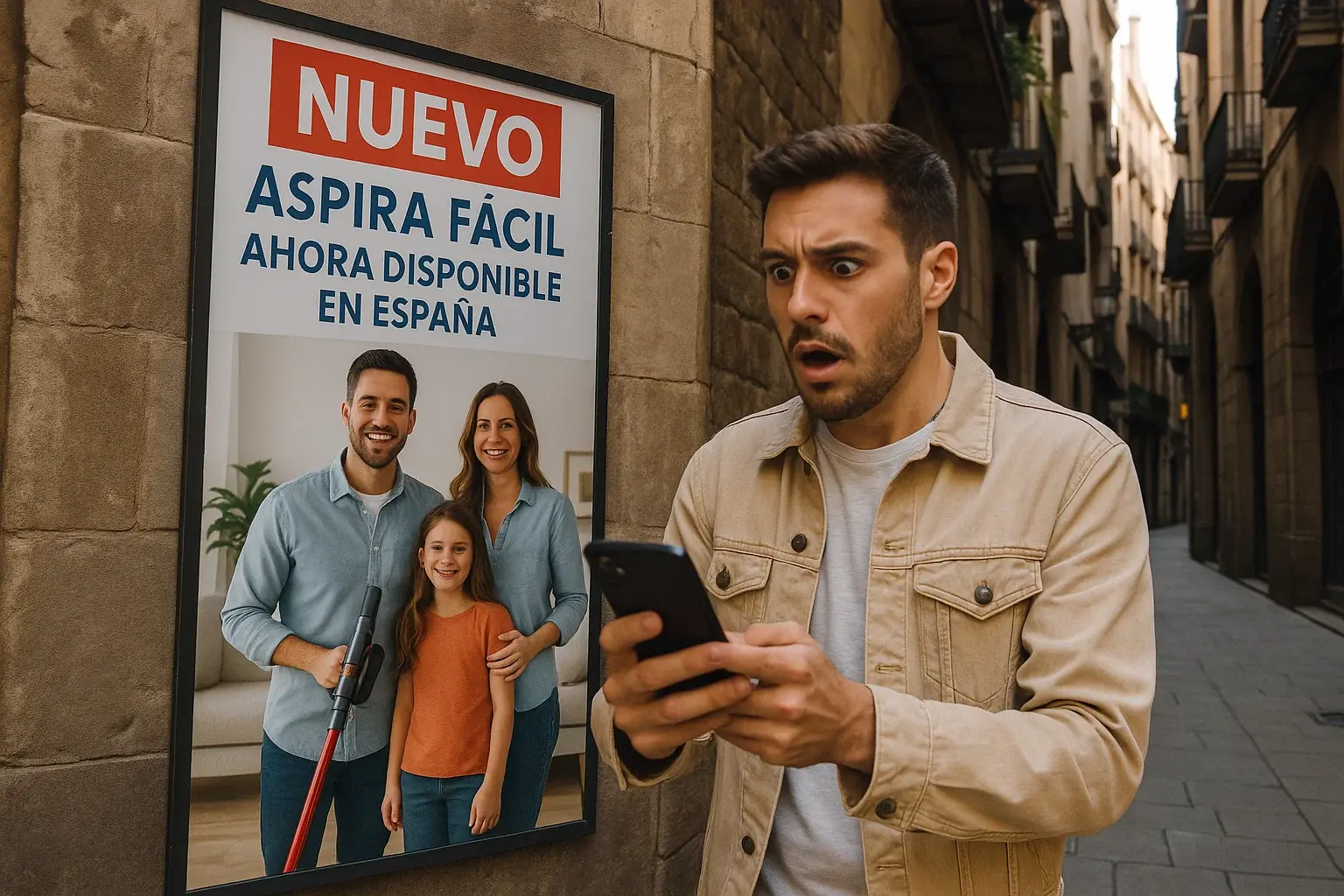
Imagine you run a blog or creative account, and a company takes your photos or illustrations to advertise its products. Or a brand crops your image from a video and uses it in an advert. Using someone else's content for commercial purposes without a licence is a particularly serious matter. The law penalises the commercial exploitation of a person's image without their consent, as well as the use of copyrighted works without paying the relevant rights. Companies must exercise great care: significant fines have been imposed for social media campaigns using people's photos without express consent or compensation (for example, the case of an events company fined for posting on Instagram a photo of a child at a birthday party without the parents' authorisation).
Content theft from independent creators:
Many photographers, artists and writers share their work online, only to discover it has been plagiarised or republished by other accounts. This ranges from pages re-uploading photographs with the watermark cropped out, to accounts copying someone else's text verbatim. This is not only demoralising, it is illegal. The consequences can range from the platform removing the infringing post, to financial penalties or serious legal action in more serious cases.
Deepfakes, parodies and defamatory memes:
Deepfake technology makes it possible to create highly realistic fake videos, placing someone's face or voice in situations that never actually happened. When used to ridicule, harass or defame, they can cause enormous reputational harm to the victim. The same applies to certain memes or edited images: someone's likeness is taken and altered to mock them or associate them with negative behaviour. While parody is legal up to a point (particularly when it involves public figures), insult and defamation are not. Using someone's image in a demeaning meme could infringe their right to honour and personal image, and may even constitute a criminal offence of insult or slander if it involves false accusations. An extreme example is non-consensual deepfake pornography, which many jurisdictions are beginning to prosecute as offences against personal freedom or moral integrity. In short, the line between online humour and unlawful harm is drawn by respect: if it attacks a person's dignity, it is actionable.
What can you do if your image or content is used without permission?
This brings us to the key question: how should you act if you are the victim of any of these situations? Whether you discover a photo of yourself circulating without your consent, or find your video or article published on another account, here is a practical step-by-step guide to defending your rights.
Whichever route you take, act quickly. Time is of the essence online: the longer the unauthorised content remains in circulation, the harder it becomes to limit the damage. In addition, some legal actions are subject to strict time limits. For example, offences against honour must be prosecuted within a short period of becoming aware of the facts. So do not wait around thinking "it will sort itself out": take action. And if the process feels overwhelming, seek professional help, in many cases, a simple legal consultation will clarify which course of action is best suited to your situation.
Proactive protection for brands, creators and influencers
Don't wait for an infringement to occur before protecting your image and content. If you are an influencer, creator or a brand with a social media presence, there are several proactive steps you can take to safeguard your digital identity and intellectual property:
-
Clear contracts for collaborations: If you work with photographers, other accounts or brands, sign written agreements that set out what use of the images or content is permitted. For example, if you carry out a photo shoot for a campaign, specify in the contract where and for how long the company may use those images, and whether or not they may be transferred to third parties. Equally, if you are a company commissioning a creator to produce content, make sure you obtain by contract the rights you need, and only those rights, to use it on social media. These rights-assignment contracts prevent legal misunderstandings further down the line. Include image-rights authorisation clauses where relevant, as well as intellectual property clauses covering the material created. This way, everyone knows where they stand and unauthorised use is avoided.
-
Register your important content: Although your works are protected from the moment of creation, formally registering photos, videos, designs or written pieces can be extremely useful as proof of authorship. In Spain, you can register your works with the Intellectual Property Registry or use online registration services that certify the date and author. This is not mandatory, but it is advisable for prolific creators, it provides additional backing if someone copies your content. As legal doctrine confirms, copyright arises automatically upon creation of a work, but registering your photographs or posts makes it easier to demonstrate that you were the original author. Consider doing this for your best photos, logos, artistic works or key articles.
-
Protect your brand and digital identity: If you operate under a brand name, influencer alias or logo, consider registering it as a trade mark. Having your artistic name or your company's name registered with the Spanish Patent and Trade Mark Office gives you legal protection against third parties attempting to use a similar name in the same sector. This helps put a stop to fake accounts that impersonate you for commercial purposes. In addition, activate account verification on social media platforms (the blue tick) if you are eligible, it won't prevent copying, but it will distinguish your official profile from imposters. Set up Google Alerts for your name, or use social listening tools to detect unauthorised mentions or uses of your content. Active monitoring will allow you to respond quickly to potential infringements.
-
Technical measures: For images, you can use discreet watermarks featuring your @username or logo, so that if someone reposts without permission, there will at least be a trace of authorship (and they can find you to ask permission next time). For videos, consider adding your name or an identifier in a corner of the screen. This is not foolproof, it can be cropped out, but it acts as a further deterrent. Keep your accounts secure (two-factor authentication, strong passwords) to prevent hacking attempts that could result in your content being stolen. And when publishing sensitive material, consider using private settings or restricted friend lists to minimise third-party access.
In short, just as you protect your personal brand or corporate identity, you should also safeguard your digital assets from a legal standpoint. A little prevention saves a great deal of trouble later on. Preventive legal advice, for example, reviewing the terms before signing a rights assignment agreement, or registering the distinctive phrase that identifies you, is an investment that strengthens your position against any misuse on social media.
Frequently asked questions
Do you need advice on image rights or the use of content on social media? Schedule a consultation with the Conesa Legal team: we will assess your situation, evaluate the risks, and devise the best strategy to protect your interests.